
How to Polish Stainless Steel
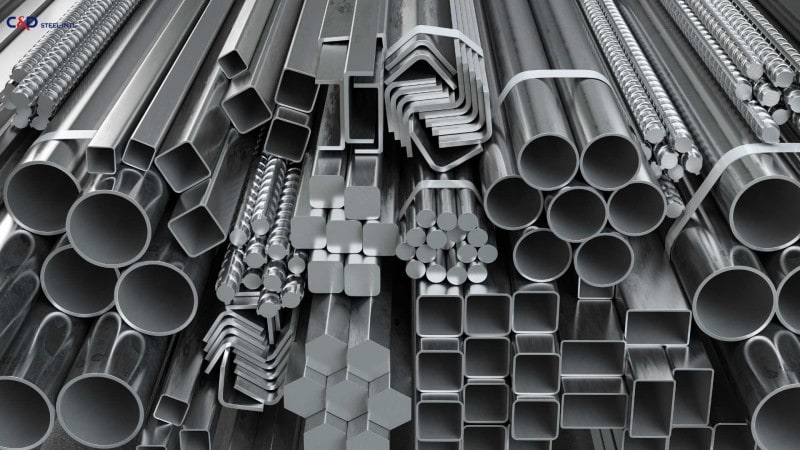
Stainless steel polishing is often seen as a purely cosmetic process. In reality, polishing is closely linked to material selection, surface finish control, corrosion resistance, and long-term performance.
For industrial buyers, project owners, and procurement teams, understanding how stainless steel is polished — and more importantly, why certain grades and finishes perform better than others — can significantly reduce downstream issues and maintenance costs.
This guide explains stainless steel polishing from a material and supply-chain perspective, rather than a household cleaning viewpoint.
1. What Does “Polishing” Mean in Industrial Stainless Steel?
In industrial applications, polishing refers to a controlled surface finishing process that improves:
- Surface smoothness
- Visual consistency
- Corrosion resistance
- Cleanability and hygiene performance
Unlike simple cleaning, polishing alters the surface roughness (Ra value) of stainless steel, which directly affects how the material behaves in service environments such as:
- Food and beverage processing
- Architecture and façades
- Medical and pharmaceutical equipment
- Marine and coastal infrastructure
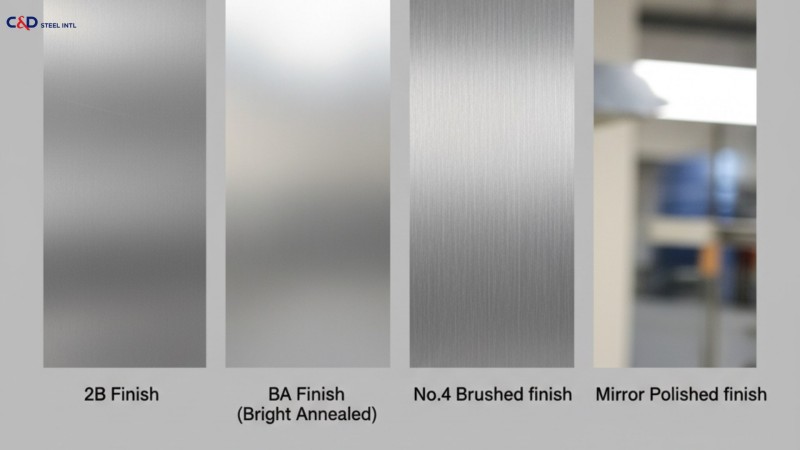
2. Common Stainless Steel Surface Finishes Explained
Before polishing even begins, the original mill finish plays a decisive role.
2B Finish
- Cold-rolled, heat-treated, lightly skin-passed
- Smooth but matte appearance
- Widely used as a base material for further polishing
BA (Bright Annealed)
- Highly reflective, mirror-like surface from the mill
- Minimal additional polishing required
- Preferred for decorative and hygienic applications
No.4 Finish
- Brushed finish with uniform grain lines
- Common in appliances, elevators, and architectural panels
Mirror Finish (8K)
- Achieved through multi-step mechanical polishing
- Extremely smooth surface, high reflectivity
- Requires strict material and processing control
Key Insight for Buyers:
A better starting finish often reduces polishing time, cost, and defect risk.
3. Material Grade Matters More Than Polishing Technique
Polishing quality is not determined by technique alone. The chemical composition of stainless steel is equally critical.
304 Stainless Steel
- Good general corrosion resistance
- Suitable for indoor and mildly corrosive environments
- Widely used due to cost-effectiveness
316 Stainless Steel
- Contains molybdenum for enhanced corrosion resistance
- Superior performance in coastal, marine, and chemical environments
- More stable appearance after polishing over time
Lower-grade stainless steels may polish well initially, but often show:
- Rapid discoloration
- Surface staining
- Pitting corrosion after short service periods
This is why experienced buyers focus on grade consistency and raw material traceability, not just surface appearance at delivery.
4. How Stainless Steel Is Polished in Industrial Practice
Industrial polishing typically follows a multi-step process:
1. Grinding – Removes surface defects and levels the material
2. Intermediate polishing – Refines surface roughness
3. Fine polishing – Achieves the target finish and reflectivity
4. Cleaning and passivation – Removes residues and enhances corrosion resistance
Each step must be matched with:
- Appropriate abrasive selection
- Controlled pressure and speed
- Clean processing environments
Poor polishing control can introduce micro-scratches that later become corrosion initiation points.
5. Polishing and Corrosion Resistance: The Hidden Connection
A smoother stainless steel surface offers fewer locations for:
- Chlorides
- Moisture
- Contaminants
As a result, well-polished stainless steel resists corrosion better, especially in environments with:
- High humidity
- Salt exposure
- Frequent cleaning cycles
However, polishing cannot compensate for incorrect grade selection. In aggressive environments, material choice remains the first line of defense.
6. Maintenance After Polishing: What Buyers Should Know
Even high-quality polished stainless steel requires proper maintenance:
- Use non-abrasive cleaning agents
- Avoid chlorine-based chemicals unless specified
- Clean along the grain direction for brushed finishes
- Rinse thoroughly to prevent chemical residue buildup
From a procurement standpoint, specifying maintenance guidelines upfront helps extend service life and protects visual quality.
7. What Industrial Buyers Should Specify When Sourcing Polished Stainless Steel
To avoid quality disputes and inconsistent results, buyers should clearly define:
- Stainless steel grade (e.g., 304 / 316)
- Base finish (2B, BA, etc.)
- Final surface finish standard
- Thickness tolerance and flatness
- Application environment
Clear specifications reduce rework, claims, and project delays.
8. The Role of the Cheongfuli in Polishing Quality
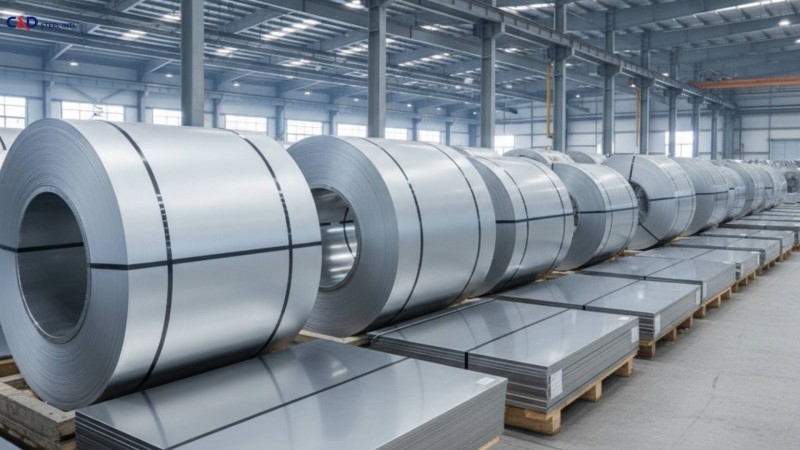
Reliable stainless steel polishing starts before fabrication, at the material sourcing stage.
Cheongfuli (Xiamen) Co., Ltd. supports buyers by providing:
- Consistent raw material quality
- Stable chemical composition across batches
- Documented surface finish standards
- Application-based material recommendations
This upstream control is often the difference between a visually acceptable product and one that performs reliably for decades.
Polishing stainless steel is not merely about achieving shine. It is a material-driven, specification-sensitive process that directly affects performance, durability, and lifecycle cost.
For industrial buyers, the smartest approach is to combine:
- Correct grade selection
- Appropriate base finish
- Controlled polishing processes
- Reliable material sourcing
When these factors align, polished stainless steel delivers both aesthetic value and long-term reliability.